
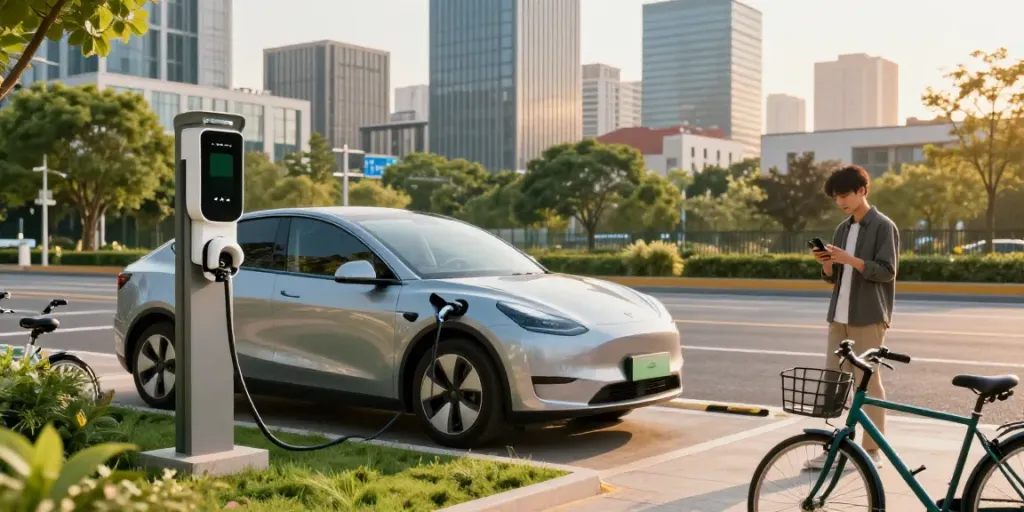
Understanding Electric and Hybrid Vehicles
The world of automotive technology is rapidly transforming with the advent of electric and hybrid vehicles. As consumers grow increasingly aware of environmental issues and seek sustainable transportation options, understanding the differences between these two types of vehicles becomes essential. Electric vehicles (EVs) run solely on electricity, while hybrid vehicles combine an internal combustion engine with an electric motor. This article will delve into the intricacies of these vehicles, helping you navigate your options and make informed decisions for the future. For further insights on advancements in this sector, consider visiting experience-electrique, a comprehensive resource on electric mobility.
What are Electric Vehicles?
Electric vehicles (EVs) utilize electric motors powered by batteries instead of gasoline or diesel engines. This technology provides several advantages, including reduced greenhouse gas emissions, lower operating costs, and the elimination of dependency on fossil fuels. As battery technology continues to improve, the range and performance of EVs have significantly increased, making them more viable options for everyday use.
- Zero Emissions: EVs produce no tailpipe emissions, drastically lowering air pollution levels.
- Cost-Effective: With fewer moving parts, EVs generally require less maintenance and have lower fuel costs.
- Quiet Operation: The absence of an internal combustion engine results in a quieter driving experience.
How Hybrid Vehicles Work
Hybrid vehicles combine an internal combustion engine with an electric motor, creating a more efficient system that optimizes fuel consumption. The hybrid system can operate in different modes: all-electric, gasoline-only, or a combination of both. This versatility allows hybrids to achieve better fuel economy compared to conventional vehicles.
- Regenerative Braking: Hybrids can recharge their batteries during braking, converting kinetic energy into stored energy.
- Engine Assist: The electric motor can assist the gasoline engine during acceleration, enhancing overall efficiency.
- Flexible Fuel Usage: Drivers can switch between electric and gasoline modes based on driving conditions, making hybrids highly adaptable.
Advantages of Experience-electrique Technology
Experience-electrique technology encompasses advancements in electric vehicle systems and charging infrastructure that significantly enhance user experience. Key advantages include:
- Enhanced Connectivity: Many electric vehicles now come with integrated technology that connects users to charging stations, navigation systems, and real-time traffic updates.
- Smart Charging Options: Innovative charging solutions allow EV owners to schedule charging during off-peak hours for reduced electricity costs.
- Environmental Benefits: As the grid becomes greener, the overall carbon footprint of electric vehicles continues to decrease, promoting sustainable transportation.
Choosing the Right Vehicle for Your Needs
Selecting the right vehicle involves understanding your driving habits, budget, and preferences. Both electric and hybrid vehicles have unique benefits and drawbacks that should be carefully considered before making a decision.
Factors to Consider When Buying
When looking for the perfect vehicle, several factors play an essential role:
- Daily Commute: For short distances, an electric vehicle may be more suitable, while longer commutes might make hybrids a better choice.
- Charging Availability: Evaluate the accessibility of charging stations in your area, as this will impact your EV experience.
- Budget: Consider both the initial purchase price and long-term operating costs when selecting your vehicle.
Comparative Analysis of Models
Comparing electric and hybrid models based on features, performance, and costs is crucial for making an informed choice. Notable models in the market include the Tesla Model 3 (electric) and the Toyota Prius (hybrid). Each vehicle offers unique advantages that cater to different preferences and needs.
Understanding Specifications and Features
Familiarizing yourself with vehicle specifications and features will empower you to make a well-informed decision. Look for attributes such as battery capacity, range, fuel efficiency, and safety features to find the vehicle that aligns with your lifestyle.
Charging Infrastructure and Options
The charging infrastructure for electric and hybrid vehicles is critical for widespread adoption. Understanding the various charging options can greatly impact your overall experience.
Types of Charging Stations Explained
Charging stations vary in type and speed:
- Level 1 Charging: Utilizes a standard household outlet and is the slowest option, suitable for overnight charging.
- Level 2 Charging: Offers faster charging using a dedicated charging station, ideal for homes and public spaces.
- DC Fast Charging: Provides rapid charging and is often found at public charging stations for quick top-ups on long trips.
Home Charging vs. Public Charging
Deciding between home charging and utilizing public infrastructure is essential for EV owners. Home charging allows for convenience and flexibility, whereas public charging stations can bridge the gap during long journeys.
Future of Charging Technology
As technology advances, the future of charging infrastructure looks promising. Innovations such as wireless charging, ultra-fast charging stations, and enhanced energy management systems may significantly improve user experiences and promote electric vehicle adoption.
Safety Considerations for Electric Vehicle Users
Safety is paramount when using electric and hybrid vehicles. Implementing best practices can ensure a safe and enjoyable driving experience.
Best Practices for Safe Charging
To maximize safety while charging, consider the following:
- Use Approved Equipment: Ensure chargers and cables meet safety standards to minimize hazards.
- Regular Inspections: Periodically inspect charging equipment for wear and damage.
- Charge During Optimal Conditions: Avoid charging during adverse weather conditions when possible.
Ensuring Vehicle Longevity and Performance
Maintaining your electric or hybrid vehicle is crucial for prolonging its lifespan and performance. Regular check-ups, software updates, and appropriate care can help ensure optimal functionality.
Common Misconceptions and Risks
Addressing misconceptions surrounding electric vehicles, such as concerns about battery life and charging difficulties, can help potential users feel more confident in their vehicle choices.
Future Trends in Electric Vehicles for 2026 and Beyond
The electric vehicle market is slated to evolve dramatically by 2026, driven by technological advancements, regulatory changes, and consumer preferences.
Technological Innovations on the Horizon
Upcoming innovations may revolutionize the electric vehicle landscape, including:
- Solid-State Batteries: Promising improved energy density and faster charging times, solid-state batteries could replace lithium-ion batteries in the near future.
- Autonomous Driving Features: As self-driving technology develops, it may be integrated into electric vehicles for enhanced convenience and safety.
- Vehicle-to-Grid Technology: This innovation allows vehicles to return excess energy to the grid, optimizing energy use and sustainability.
Government Policies and Their Impact
Government regulations and incentives will continue to shape the electric vehicle market. Subsidies for EV purchases, tax credits, and stringent emission standards are likely to encourage wider adoption.
Predicted Market Trends for Electric and Hybrid Vehicles
Market analysts predict substantial growth in the electric vehicle sector, with an expanding range of models, improved infrastructure, and increased consumer acceptance driving this trend.
What are the benefits of electric vehicles?
Electric vehicles offer numerous benefits such as lower operating costs, reduced emissions, and innovative technology that enhances user experience.
How do electric vehicles differ from hybrids?
Electric vehicles operate solely on electric power, while hybrids combine both electric and gasoline power to improve fuel efficiency.
What safety measures should be taken while charging?
Using approved charging equipment, regular inspections, and charging during safe conditions are essential safety measures.
What are common misconceptions about electric vehicles?
Common misconceptions include concerns about battery life, charging times, and overall performance compared to traditional vehicles.
How is the electric vehicle market expected to grow by 2026?
The electric vehicle market is projected to experience significant growth due to technological advancements, government incentives, and changing consumer preferences.